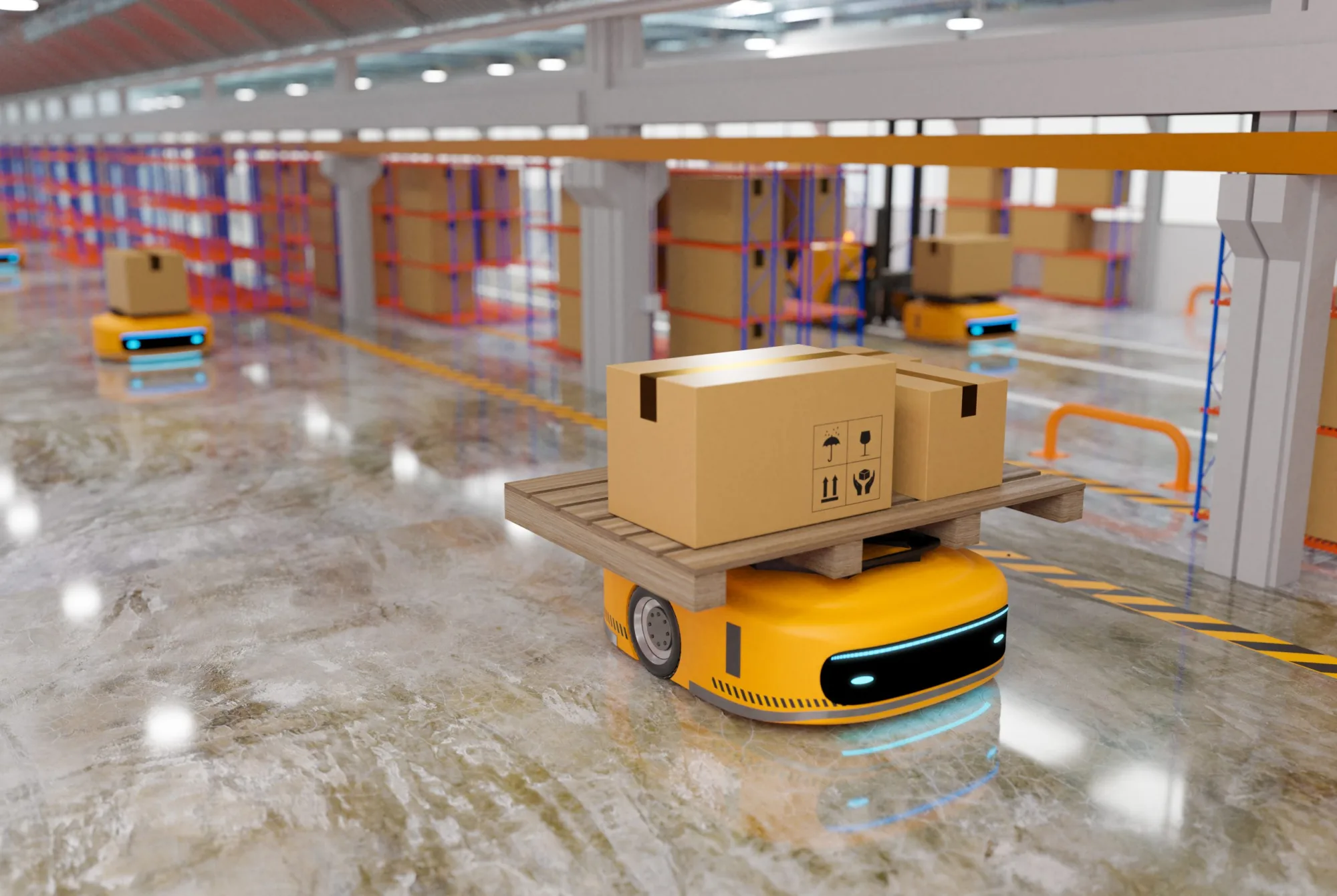
When a small restaurant owner asks whether to install a robot, the answer is not simply yes or no — it depends on which basis you use. Count only the staff saved and most small places do not come out ahead; count peak order capacity, lost covers and consistent output, and many do.
Is a robot actually worth it for a small restaurant? Five costing bases, filled in with your own numbers
When a small restaurant owner asks "should I install a robot", the answer is not simply worth it or not worth it — it depends on which basis you use. Count only the staff saved and most small places do not come out ahead; count peak order capacity, lost covers and consistent output, and many do. This article sets out five real bases, each with a method for filling in your own figures. Working through your own restaurant once is more reliable than taking anyone's conclusion on trust.
Basis one: the labour account — and do not count wages alone
Small restaurants staff by the principle of one hole, one carrot: if the food runner calls in sick the front of house falls apart; if the wok chef leaves the output changes. The value of a robot is not only the wage it replaces but the uncertainty of the post it replaces. A serving robot cannot replace the head chef, but it can cover one food-running post, so the two or three busiest hours at lunch and dinner no longer depend on people running back and forth; it does not take leave, does not sulk and does not resign. When filling in the numbers, do not enter the monthly wage alone: add recruitment costs, losses during probation, the premium on temporary staff in peak season and the training cost of turnover, and enter a post-level annual cost. In most cities a food-running post costs 4,000 to 6,000 a year in that sense — and in larger ones, considerably more.
Basis two: how to spread the fixed cost
There are two ways to pay for a robot. Outright purchase is spread as depreciation over its life: catering robots are designed for a 5 to 8 year life, but few small restaurants actually get five full years out of one, so spreading over 3 to 5 years is the prudent view — the shorter the spread, the higher the monthly cost and the more conservative the account. Leasing goes straight into monthly cost, puts less pressure on cash flow and suits a site that wants to test the water first. Either way, add electricity and maintenance: a single robot running 8 to 10 hours a day costs from a few to twenty-odd in electricity per day for most models, and with annual maintenance spread in, a few hundred a month is a normal level. Do not stare only at the purchase price — the monthly average is the number a small restaurant should be comparing.
Basis three: the incremental account — how many orders does the robot let you take
What is worth most to a small restaurant is not saving money but catching peak volume. When the kitchen jams at the lunch and dinner peaks, takeaway and dine-in are lost together. In a site with a cooking robot or a rail-mounted delivery system the pace of output at peak picks up, and taking several dozen more orders a day is entirely normal; on average spend, the extra turnover in a month often exceeds the monthly cost of the equipment. This basis suits above all sites with a high takeaway share and a peak that overwhelms them. Filling in the numbers: estimate the peak loss rate — guests who leave after waiting more than twenty minutes, takeaway orders cancelled for being late — and multiply by average spend, and that is the money the robot wins back for you. On this view the robot is not a cost-saving device but a capacity-expanding one.
An example of the form filled in: a fast-food outlet doing 260 orders a day, with 90 in the lunch peak hour, cannot keep up on running and packing, and loses on average 15 orders a day. At an average spend of 25, that is over eleven thousand a month lost. Install one serving robot, at two to three thousand a month for depreciation, electricity and maintenance, and the "recovered turnover" line alone covers the cost of the equipment — before counting the food-running labour saved. Once the numbers are in, the answer to whether it is worth it emerges on its own.
There is also a common mistake in these calculations: comparing only against the ideal staffing level. Employees take leave, resign and get flustered at peak; a robot does not. Use a fully-attended experienced hand as the benchmark and the account will always show a loss; use the real staffing and real losses of the past three months as the benchmark and the figure will be right.
Basis four: the experience and footfall account — treat it as a bonus
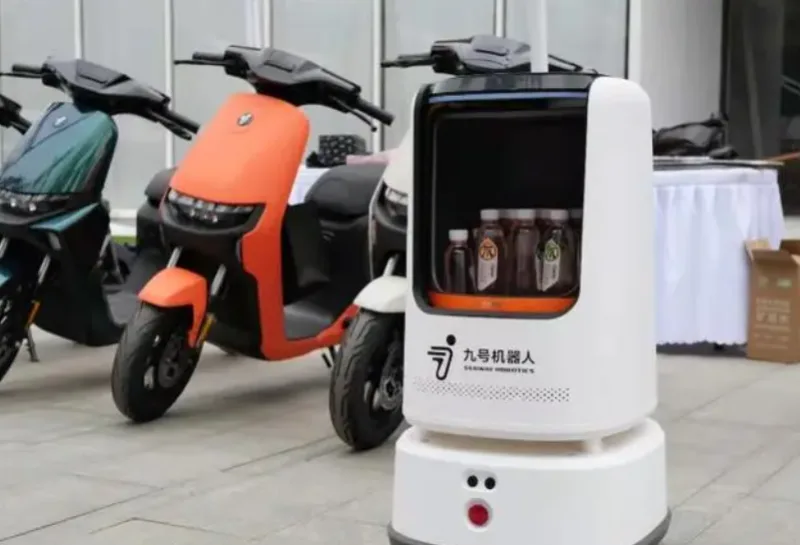
Serving robots and humanoid robots are conversation pieces in themselves, and an opening or a public holiday is a ready-made draw: customers photograph them and post short videos, which is free exposure on local lifestyle platforms. But a bucket of cold water is needed here: the traffic that novelty brings decays, and whether the robot keeps customers coming back still depends on the food and the price. Enter the funnel effect as a bonus, not as the main reason to buy the machine — invest against a "robot restaurant" signboard and when the traffic falls back after three months the account will look very ugly.
Basis five: the reverse account — where not to install one
- Small outlets doing fewer than roughly 200 dine-in plus takeaway orders a day: utilisation is too low for the depreciation to come back;
- Places with menus of dozens of dishes, changed daily, where the owner does all the cooking: standardisation is not there and a machine cannot help;
- Places with only a year or eighteen months left on the lease: the payback period does not fit the lease, and do not buy equipment for your landlord;
- Places with unstable WiFi and aisles too narrow to guarantee even 800 millimetres: fix the conditions before discussing equipment.
To close: put the five accounts into one table
The closing method: the post cost saved, plus the extra turnover won, minus depreciation or rent, electricity and maintenance, and then look at the payback period. From the projects we have seen, a fast-food outlet doing around 300 orders a day installing a serving or cooking robot generally pays back in one to one and a half years; a site doing 150 to 300 orders a day stretches to about two years, which is still acceptable; below that volume it stretches beyond three years, and then it is better not to buy yet. If the calculation says it does not pay, the scenario does not match the equipment, and not buying is precisely the right decision. The more carefully the robot's account is worked out, the smaller the chance of buying wrong.
The content of this article is for selection reference. Specific figures are subject to the manufacturer's official parameters and on-site verification.