Many owners ask only about the price before buying a robot, and only afterwards discover the three running costs: daily cleaning, consumable replacement and repair. Get those three wrong and the payback period is a guess. This article lists the usual maintenance items and the cost ranges.
What a year of catering robot maintenance costs: cleaning, consumables and breakdowns, worked out properly
Many owners ask only about the purchase price before buying a robot, and discover the three running costs afterwards: daily cleaning, consumable replacement and repairs. If those three are not worked out, the payback period is a guess. This article sets out the usual maintenance items and the basis for costing them, calculated over a year. First, the basis: different categories vary enormously, so what follows are ranges — your actual figures depend on the model you choose.
Daily cleaning: the fixed routine, every day
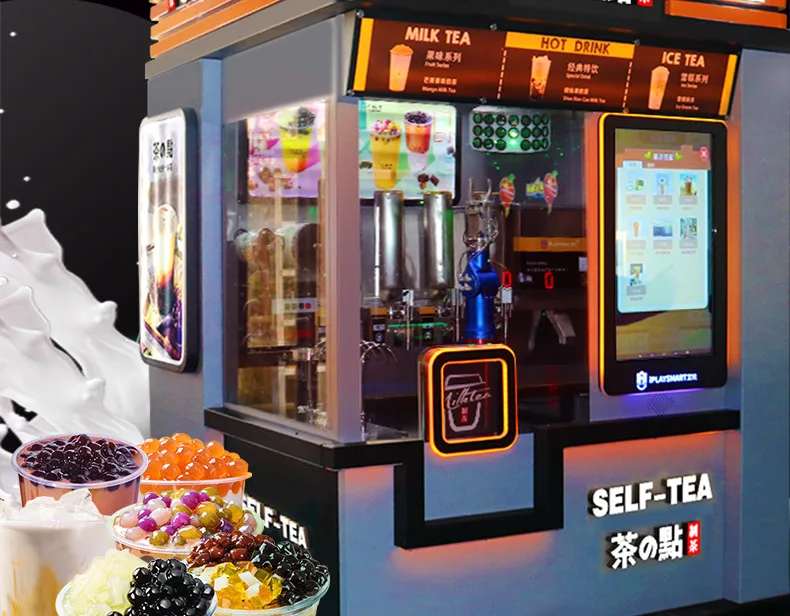
Equipment that touches food has to be washed at the end of every shift. For a cooking robot that means the pan body, the stirring paddle, the ingredient bins and the dispensing lines; for a milk tea robot the canisters, lines and dispense nozzles; for a pancake robot the griddle surface; and for a dishwasher its own spray arms and filters. Cleaning is not a wipe-down: most models have an automatic cleaning programme, but the bins have to be removed and refitted by hand and the lines cleared by hand, and 20 to 40 minutes a day is a normal allowance that has to be scheduled. The direct consequence of inadequate cleaning is odour, out-of-specification colony counts and false sensor alarms — a large share of the "the machine has broken" calls in after-sales data is in fact dirt.
Consumables: a table by category
- Cooking equipment: bin seals, sauce pump tubing and worn stirring paddles — a few hundred to two thousand per year;
- Beverage equipment: pump tubing, seals and filter cartridges for milk tea and coffee machines, plus descaler for the coffee machine — one thousand to three thousand per year;
- Dishwashing equipment: spray nozzles, filters and scale treatment chemicals — a few hundred to two thousand per year;
- Disinfection equipment: UV lamps generally last 8,000 to 9,000 hours, so at two hours a day a set is replaced about every four years, at a few hundred to over a thousand per change including labour; misting models have an ongoing cost in atomiser plates and disinfectant;
- Mobile equipment: drive wheels and batteries for serving and disinfection robots. Wheels are replaced every one to two years, and lithium batteries generally last 3 to 5 years; the battery is the single largest consumable and you should budget 10 to 20 percent of the equipment price for it.
Added up, consumables plus cleaning chemicals come to between 2,000 and 6,000 per robot per year for most categories, and in a year when a mobile robot needs a battery it will be noticeably higher — leave headroom in the budget for that.
Breakdowns: what goes wrong, and how it is handled
Looking at after-sales records, catering robot faults cluster into a few types: the dispensing mechanism jams, a sensor is obscured by grease and raises a false alarm, a line blocks, WiFi drops and the machine stops, and mechanical parts wear. The first two are mostly caused by inadequate day-to-day maintenance and account for the bulk of service calls; faults that genuinely need a part replaced are not frequent. Handling is in three tiers: small problems the site can reset and clear itself, which the operator training should cover; issues that remote diagnosis can solve by reading the log and changing a parameter; and cases needing a visit to replace a part, which depend on the service network. Ask three things when buying: how long the warranty is, what the response time to a service call is, and whether common spare parts are held in stock. If back-of-house equipment fails at the lunch peak, the lost revenue from one day can equal several months of maintenance, so service capability matters far more than a few hundred in price difference.
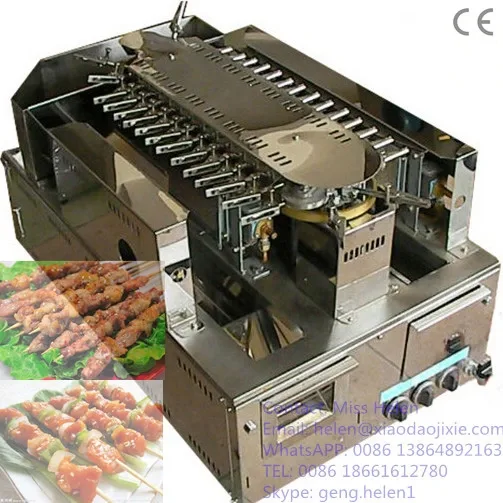
Spare parts and extended warranty need to be settled at the purchasing stage. On the same machine, original and compatible parts can differ in price by up to a factor of two: for parts that touch food, use original; for items such as drive wheels, judge by the reputation of the compatible part. Buy the extended warranty according to need, working in the failure probability, the intensity of use and the manufacturer's call-out charge: for most manufacturers an extra year costs roughly 1 to 3 percent of the equipment price and covers parts and call-out, which for a site running flat out every peak is better value than going bare for a year and buying ad hoc. Ask the manufacturer to include the parts price list with the quotation, and you can work out the five-year maintenance total yourself.
What it comes to over a year: the total-cost basis
Adding the three together is clearest as a proportion of the equipment price. Daily cleaning is mainly labour: it costs no cash but takes hours — at half an hour a day that is one hundred and eighty hours a year, and what that is worth depends on your local hourly rate. For consumables plus service, budget 3 to 8 percent of the equipment price a year: beverage and disinfection categories run high on consumables, cooking categories lower. In other words, for a machine costing around a hundred thousand, reserving three to eight thousand a year is prudent. Including cleaning hours and the risk of downtime, keeping the full annual maintenance cost within ten percent of the equipment price is a healthy position; above twenty percent, either the equipment selection is wrong or maintenance is simply not being done.
Four ways to hold maintenance costs down
- Assign one person to own daily cleaning and upkeep, rather than every shift washing its own way — split the responsibility and in the end nobody washes anything;
- Follow the manufacturer's maintenance schedule: lubrication points, filters and seals all have replacement intervals written in the manual, so just do them;
- Where the water is hard, add scale inhibition and filtration — scaling is the number one cause of rising energy consumption and failure in heating equipment;
- Keep a set of the common wear parts on site: seals, nozzles and filters are small items that the site can replace itself without holding up service or waiting for a delivery.
A catering robot is not a buy-it-and-forget-it appliance; it is closer to a precision electrical machine that needs scheduled servicing. Write maintenance into the rota rather than dealing with it after something goes wrong, and what you save in a year is not only the repair bill but the revenue lost to breakdowns. When you buy, ask the manufacturer for the after-sales policy, the maintenance schedule and the parts price list together, and you can work out the annual maintenance account yourself.
The content of this article is for selection reference. Specific figures are subject to the manufacturer's official parameters and on-site verification.